Every shop owner knows the last ten minutes before closing feel like a race. Lights off, cash counted, doors checked, alarms armed, and that one customer who wanders in at 8:59 for a browse. A good nightly closing routine is equal parts choreography and common sense, and the unsung star of the show is often the simplest hardware in the building: the security gate.
Whether you run a boutique on a busy street or a warehouse with inventory that keeps accountants awake at night, the right gate, used the right way, buys you time, limits access, and sends a very clear message to opportunists. The trick is building procedures around the hardware so people follow them, even when they’re tired and thinking about dinner. That’s where most businesses slip. They buy solid commercial security gates, then rely on memory and hope.
I’ve helped install and standardize expanding security gates across retail, service, and light industrial spaces. The strongest patterns are boring and reliable. The worst patterns look strong until the night you need them and discover a loose anchor, a missing lock pin, or a gate parked two feet off the floor to speed up morning opening. Let’s fix that.
Why gates matter more than glass and alarms
I like cameras. I like good lighting. And alarms have paid for themselves more times than I can count. None of them fence a space in real time. Security gates do. They restrict movement now, not after a notification, and they buy the response window that your monitoring service or local patrol actually needs.
You’re not trying to create a fortress. You’re managing friction. A rolling shutter or accordion gate across a storefront deters opportunistic smash-and-grabs, and a scissor barrier across a stockroom doorway blocks the fast hands who drift away from a distracted cashier. The cost of a quality gate, installed correctly, often equals a single mid-tier insurance deductible, and on a bad week it saves you twice.
A gate also signals rules. Customers read the cues: a half-drawn gate across a closed section of a pharmacy says “don’t wander back here” better than a paper sign taped to a shelf. Staff feel the boundaries too. When you can lock a tool cage in ten seconds, expensive toolkits stop walking off.
Choosing the right style for your space
The catalog language can muddy things. Expanding security gates, accordion security gates, scissor security gates, they all sound like minor variations. In practice, the frame and hardware translate into how a gate behaves at 9:05 p.m. in a hurry.
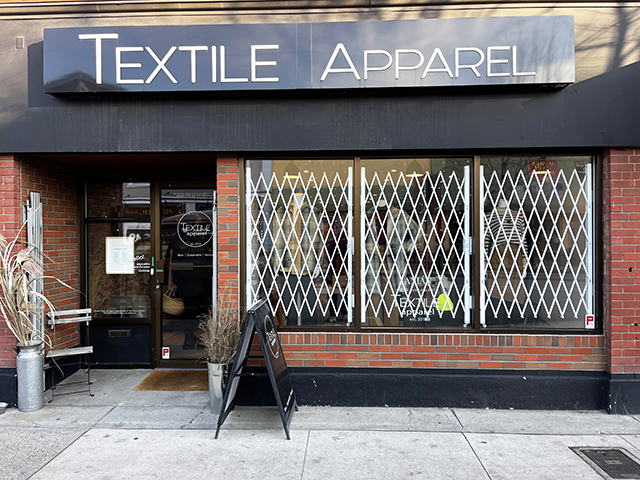
Accordion security gates roll and fold along a track, compacting to one side. They excel across wide interior spans, like storefronts or mall kiosks, and work nicely when you need a visible barrier without turning a space into a cave. The pattern of diamond or X-shaped lattices lets airflow and some sight lines through. That matters for HVAC and for patrol visibility after hours. If you run a retail shop with glass frontage, accordion gates inside the glass save you from rattling street noise and weather beating on external shutters.
Scissor security gates tend to feel beefier at hand level, especially when you need repeated daily cycles. They collapse tightly, and with the right casters and track they glide without catching. I like them across service corridors and receiving doors, where staff might be moving carts and need a quick one-handed swing. Keep in mind the pinch points along the scissor rails. If you have busy hands, add guards at common grip spots.
Expanding security gates is the umbrella term many security gate supplier catalogs use. The key features to examine are the top track, the bottom guidance, and the posts. A floor track resists lateral force the best, but adds trip risk. A pin at the receiving post creates a firm lock without drilling the floor continuously. In high-traffic spaces, a recessed floor cup for the pin is a smart compromise. In low-traffic storage areas, a continuous bottom track is fine.
If you’re sourcing in the Okanagan, expanding security gates Kelowna vendors have gotten sharper in the last few years about balancing airflow and load ratings. Ask to see the pivot hardware up close. You will interact with those pivots twice a day. If the finish is rough or the bearing looks like a toy, keep looking.
Where gates earn their keep
Retail spaces almost always benefit from a gate across the main shop floor and a separate one sealing inventory. A jewelry counter with a proper rolling grill is obvious, but I’ve seen a bicycle shop stop 80 percent of late-night temptation by gating the wall that holds mid-range bikes. The top-tier bikes went in a caged stockroom. The rest sat behind an interior expanding gate that locked into steel posts anchored into the slab. They never lost a bike again after that.
Restaurants and cafes use gates to divide the public area from the bar or kitchen during cleaning. Your liquor inventory shouldn’t be available to whoever is mopping near closing. A compact scissor gate that hooks across the backbar, with a high lock placement, keeps staff honest and reduces shrink. Fire inspectors will want to see egress paths clear and latches simple. Make sure your gate doesn’t trap someone if the main door is locked.
Warehouses can use tall commercial security gates to zone off high-value aisles, so after-hours cleaning crews or third-party contractors access only what they need. A good trick here is using color coding on posts and adding numbered locks. You can audit who opened which zone and when, without turning the place into a maximum-security maze.
Service businesses with waiting rooms, think dental clinics, opticians, repair counters, often forget the gate at the reception desk. A night hatch or a small accordion panel that slides into a jamb stops wandering after closing, when staff are still inside reconciling accounts.
The nightly closing choreography
Closing procedures fall apart because they rely on memory and because the steps aren’t physically anchored to the space. Your gates can become the skeleton you hang the routine on. When I write a closing plan, I assign a short name to each gate and label it at eye level. G1 might be Front Gate, G2 the Stockroom, G3 the Rear Exit Barrier. The closing sheet lists them in the path someone naturally walks from front to back.
Here is a tight, workable closing flow you can adapt. It fits most small to mid-size retail footprints, and scales up with more zones.
- Sweep and reset the customer zone, then partially draw the front gate to a visible position that signals closing without trapping anyone. If you use music, lower the volume. Visual and audio cues together reduce last-minute stragglers. Move to the back-of-house and secure the stockroom. Pull the expanding gate across, seat the bottom pin, and lock it. Tug once. If it flexes more than a palm width, check the receiving post. Shut down register activity, count the cash, and deposit it in the rated safe. Do not rely on a locked drawer behind a gate. Gates slow thieves; safes defeat them. Return to the front, check the merchandising directly behind the glass, and fully deploy the front accordion gate. Confirm both top and bottom engagements and lock. Check that the gate cannot be lifted off its track. Walk the perimeter from front to rear, verifying the rear barrier or scissor gate is in place, alarm sensors are clear of gate material, and egress routes meet your fire exit requirements.
That is one list. Keep it printed at the point of action, laminated, and updated whenever you change hardware. If your team adds steps for cleaning or for temperature checks, keep those in a separate section. Closing security should be a short, immutable list that nobody tries to improve at 9:07 p.m.
The small habits that prevent big failures
Hardware rarely fails without help. Most headaches come from a door that never quite latched or a post that loosened over months of casual bumps. When your security depends on something closing properly every night, you play the long game with small habits.
Keep keys consistent and traceable. Color code them, number them, and store them in https://pastelink.net/hzke5h65 a simple shadow board after opening. I know a manager who labels the front gate key with a bright rubber fob that literally says “G1.” Staff stop guessing which brass twin fits which cylinder.
Train the hand check. Every lock gets a firm tug after it clicks. Not a polite wiggle, an assertive pull. It takes half a second and tells you more than a glance ever will.
Protect pinch points. If you have a scissor gate on a busy threshold, add a guard where hands naturally go. A small length of smooth tubing or a handle saves fingers and keeps the movement smooth. The day someone gets pinched hard is the day people start avoiding a full close.
Mind the bottom gap. I see this most in stores that prop a gate an inch off the floor to avoid a sticky track. That inch is an invitation. A thief or a bored teen can slide a hook or a hand through small gaps. Fix the track, don’t fake the close.
Schedule lubrication like you would a drawer count. Silicone-based lubricant for tracks and pivots, not grease that turns into a dirt magnet. Mark a calendar: every three months or after any major dust event like renovations.
Installation and anchoring are not optional details
If a gate is your night watchman, bolts are its boots. Cheap anchors turn good steel into theater. When you’re working with a security gate supplier, insist on seeing the anchor spec and the substrate plan. A post anchored into drywall or a thin metal stud isn’t a post. You want concrete anchors in slabs, or backing plates that spread force across framing. In older brick storefronts, use proper masonry anchors and accept that coring a clean hole costs real money.
Ask about anti-lift features on accordion gates. A clever thief with a pry bar looks for where a gate can be lifted off its lower guide or sprung out of its receiving post. The fix is a tapered receiving cup for the pin and a centered lock point that ties the gate to the post. If the lock sits too low, leverage improves for the attacker. Waist to chest level usually creates the worst pry geometry for them and the best comfort for your staff.
For expanding security gates that meet uneven floors, consider a floating bottom guide that follows the contour without losing contact. Otherwise you will see daylight under the gate in the middle, and that gap is where pressure concentrates.
If you operate in a climate with real winters, like Kelowna gets, adjust for temperature swings. Metal shrinks in the cold. Gates installed on a warm spring day can bind on a January night. Give tolerances a few extra millimeters and test in the cool morning before opening.
Integrating gates with alarms and cameras
You want your alarm sensors and cameras to work with the gate, not against it. A few practical points:
Glass break sensors do fine behind a gate, but keep lattice material from vibrating directly onto the sensor housing. Motion detectors read movement through a gate if the lattice is open enough, so test the detection zones after installation. If your gate sits an inch off the floor for HVAC reasons, lower the motion detector by a modest amount and test for crawl-under attempts.
Door contacts for the gate itself aren’t common, but they help when you have a secondary barrier behind the main door. A magnetic contact on the gate’s receiving post can tell you if someone failed to lock it or if it was forced open.
Cameras should see through the gate with light from the street or interior night lighting. Avoid placing lattice directly in front of a camera lens. The autofocus will hunt, creating murky footage. A modest shift in the mounting angle solves that.
Many monitoring companies will set up an “armed, gate open” alert as a custom event. If your alarm arms while the front gate is not engaged, you get a ping. It’s a simple sanity check.
Training a team that actually uses the hardware
The fanciest gate does nothing if the closing person thinks it’s someone else’s job. On the first day you roll out a new system, walk the path with everyone. Not a presentation in a back room, a noisy, tactile run-through. Have each person operate the gates. If someone is shorter, check the lock height. If someone lives with arthritis, check resistance at the pivot.
Use simple language. Avoid “engage the lower pin” if “seat the bottom pin in the cup” makes more sense. Place the laminated closing sheet exactly where the hand that reaches for the lock will see it. New staff will follow the environment more than the memo.
Audits shouldn’t be a witch hunt. I like an unannounced close check once a month. The owner or manager returns five minutes after closing and tries the obvious points. If something fails, it becomes a training moment and possibly a hardware fix. If all is locked, you buy the closer a coffee. People repeat the behavior that gets noticed.
Edge cases and judgment calls
Real life intrudes on procedures. Deliveries arrive late. Staff finish a shift at odd hours. The plumber needs access to a ceiling panel behind your front counter at 7 p.m. The difference between security theater and security culture is how you handle the exceptions.
If a contractor must work in a secure area after hours, set a temporary perimeter with a portable scissor gate inside the main gate. They get access to their zone, not the entire store. One extra padlock on a portable frame, clearly tagged, adds five minutes to their setup and saves you a thousand dollars of risk.
If you run a convenience store with heavy late-night traffic, draw the front gate to a partially closed position thirty minutes before your posted time. Leave clear access to the register and a single entrance lane. Customers self-select: the browsers drift away, the buyers walk through the lane. This reduces the 8:59 wanderers and sharpens your staff’s focus on known exits.
If there is a fire alarm during closing, your gates must not trap anyone. Keep keys at every egress. Panic-rated gates exist, but most retail operations avoid that complication by never gating an emergency exit. If you must place a barrier near an egress for security, it needs a quick-release that any adult can operate under stress, and your fire marshal needs to bless it.
Maintenance without drama
No gate should squeal for attention. Put maintenance on a calendar tied to other routine tasks.
Clean tracks and pivots with a soft brush weekly. Dust and grit are what make gates feel heavy a year later.
Lubricate quarterly with a silicone spray on tracks and pivot points, and wipe excess with a clean rag. If a wheel flats, replace it, don’t pretend the bump is normal.
Tighten anchor bolts semiannually. Mark the bolt heads with a thin paint pen. If the line moves, you spot loosening at a glance.
Inspect locks and keys annually. Cylinders fill with debris in busy storefronts, especially near the street. A shot of graphite helps, but if the key starts to bind, replace the cylinder before someone forces it and snaps a key at 9:01 p.m.
When you run a chain of locations, standardize SKUs for locks and wheels. Keep a small kit on site: spare key copies, a wheel assembly, a lock cylinder, a set of anchor bolts. Waiting for a part turns one failure into a week-long vulnerability.
Working with a supplier who gets it
A good security gate supplier thinks like a store manager, not only like a fabricator. They ask about traffic patterns, who opens and closes, what your insurance wants to see, how your HVAC behaves after hours. If they only want measurements, you are buying metal, not a solution.
Ask for references that match your environment. A boutique jeweler needs different guidance than a tire shop. Visit a site if you can, and watch someone close at night. You learn a lot from the way a latch meets a receiving post when a person is in a hurry.
For local businesses searching for expanding security gates Kelowna has several installers who will demo on site. Bring your closing staff to the demo. The person ordering the hardware should not be the only one to touch it before installation.
Price is real, but false economy shows up as labor. A gate that takes thirty seconds longer to operate will get shortcutted by the fourth week. A better bearing, a smoother track, and a lock at a comfortable height are worth the extra upfront cost.
Case notes from the field
A small electronics shop, twenty feet of glass frontage, lost a laptop to a quick grab at 10:15 p.m. They had an alarm and cameras, but no physical barrier inside the glass. We installed a low-visibility accordion gate just behind the window line, powder coated to match the mullions. The owner worried it would look like a prison. Customers barely noticed. Two months later, a would-be thief cracked a pane but gave up at the lattice. The glass cost a few hundred dollars to replace. Inventory loss would have been thousands.
A mid-size grocery store had a habit of leaving the liquor aisle gated at shoulder height during cleaning to keep airflow. You could slide a bottle under the gap, and staff sometimes did. We swapped the gate for one with an open lattice pattern for airflow and trained a full floor seal. Shrink dropped within a month. The fix cost less than the monthly losses had been.
A bike shop in a tourist town put an expanding security gate across the service bay that held customer bikes. The owner added numbered locks and noted lock numbers on intake forms. That single change reduced the end-of-day scramble to find space and hunt keys. More important, it created accountability. Nobody, including the owner, walked out without a quick glance at the lock board.
Building a culture that closes the loop
Gates are metal habits. They give you a chance to be consistent on the nights when you are anything but. The goal is to make closing so simple that people run it on autopilot and so visible that everyone knows when it wasn’t done.
If you change the store layout, revisit the gate plan. New merchandising can block a track, and a rearranged counter might hide the receiving post from view, which is how you get lazy half-latches. After any renovation, schedule a fifteen-minute “gate walk.” It is cheaper than filing an insurance claim.
Talk to your insurer about credits for commercial security gates. Some carriers will shave points off your premium if you can document physical barriers and routine. Even if they don’t, you build goodwill, and claims go smoother when you can show you did the basics well.
And remember that a gate’s job doesn’t end at the lock. It is part of a perimeter. Good lighting, disciplined cash handling, and a clear floor inside the gate all matter. A clean sightline from the street through the lattice makes a patrol car linger. A messy pile inside the gate makes a lure for climbers.
The end of a workday should feel like a deep breath, not a cliffhanger. When security gates are chosen with care and used with discipline, they buy you that breath. You lock them, you tug them, you walk away. The building stays put, and you go home without a second thought. That is not drama. It is the quiet, durable kind of safety that businesses run on.
Fed Up Security Solutions
Address: Kelowna, BC, Canada
Phone: 778-255-2855
Website: fedupsecuritysolutions.ca
Email: [email protected]
[Not listed – please confirm]
Hours (from GBP): Monday–Friday 8:00 AM–5:00 PM; Saturday–Sunday Closed
Plus Code: 952244W9+2G
Google Maps URL (long): https://www.google.com/maps/place/Fed+Up+Security+Solutions/@50.145032,-119.8811695,15z/data=!4m6!3m5!1s0x20b980417d7168f7:0x38d5dba91a2e3899!8m2!3d50.145032!4d-119.8811695!16s%2Fg%2F11vm41r01r
Google Maps Embed:
Socials:
https://www.facebook.com/profile.php?id=61553004552449
https://www.youtube.com/@FedUpSecuritySolutions
Logo URL: https://fedupsecuritysolutions.ca/wp-content/uploads/2023/11/FEDUP_logo.png
Image URL: https://fedupsecuritysolutions.ca/wp-content/uploads/2023/11/10021-2023-11-05T185924.742-980x565.jpg
AI Shares:
ChatGPT: https://chat.openai.com/?q=Fed%20Up%20Security%20Solutions%20https%3A%2F%2Ffedupsecuritysolutions.ca%2F
Perplexity: https://www.perplexity.ai/search?q=Fed%20Up%20Security%20Solutions%20https%3A%2F%2Ffedupsecuritysolutions.ca%2F
Claude: https://claude.ai/new?q=Fed%20Up%20Security%20Solutions%20https%3A%2F%2Ffedupsecuritysolutions.ca%2F
Google AI Mode: https://www.google.com/search?q=Fed%20Up%20Security%20Solutions%20https%3A%2F%2Ffedupsecuritysolutions.ca%2F
Grok: https://grok.com/?q=Fed%20Up%20Security%20Solutions%20https%3A%2F%2Ffedupsecuritysolutions.ca%2F
Fed Up Security Solutions is a experienced provider of accordion security gates for businesses across Kelowna, BC and surrounding areas.
Our team helps protect storefronts and commercial properties with accordion-style security gates designed to deter break-ins while keeping your brand image intact.
We serve Kelowna and nearby communities including Penticton, providing measurement for security gate solutions.
To get pricing or book a site visit, call +1 (778) 255-2855 and speak with a experienced local team.
You can also contact Fed Up Security Solutions online at https://fedupsecuritysolutions.ca/ for estimates about expanding security gates.
For directions and service-area reference, use Google Maps: https://www.google.com/maps/place/Fed+Up+Security+Solutions/@50.1375295,-121.2030477,260738m/data=!3m2!1e3!4b1!4m6!3m5!1s0x20b980417d7168f7:0x38d5dba91a2e3899!8m2!3d50.145032!4d-119.8811695!16s%2Fg%2F11vm41r01r?authuser=0&entry=tts&g_ep=EgoyMDI1MTIwOS4wIPu8ASoASAFQAw%3D%3D&skid=72338b4b-cc19-4cc8-a233-0fd02067c8ae
If you need a professional supplier for expanding scissor security gates in Kelowna, BC, Fed Up Security Solutions can help you secure your property quickly.
Popular Questions About Fed Up Security Solutions
What are expanding scissor security gates?
Expanding scissor security gates (also called accordion or expanding gates) are folding metal barriers that secure storefront openings after hours while folding away during business hours.Do expanding security gates help deter break-ins?
Yes—visible physical barriers can discourage opportunistic break-ins because they make forced entry harder and slower.Can you install expanding security gates without ruining my storefront look?
Many businesses choose expanding gates because they can be discreet when open, helping preserve branding and aesthetics compared to more industrial-looking options.Do you serve areas outside Kelowna?
Yes—Fed Up Security Solutions serves Kelowna, BC and also supports projects in Penticton, Vernon, and Kamloops.How do I get a quote for expanding security gates?
Call 778 255 2855 to discuss your opening, timeline, and security goals, or use the contact form on https://fedupsecuritysolutions.ca/.What are your business hours?
Monday to Friday, 8:00 AM to 5:00 PM (closed Saturdays and Sundays).Do you offer roll shutters too?
Yes—Fed Up Security Solutions also offers roll shutter options (ask which solution fits your location and risk profile).How can I contact you right now?
Call: 7782552855Website: https://fedupsecuritysolutions.ca/
Facebook: https://www.facebook.com/p/Fed-Up-Security-Solutions-61553004552449/
YouTube: https://www.youtube.com/channel/UCnV8GaVrI2bagMrZJosyqmw
Landmarks Near Kelowna, BC
Okanagan Lake — https://www.google.com/maps/search/?api=1&query=Okanagan%20Lake%20Kelowna%20BC — GEO: https://www.google.com/maps/search/?api=1&query=50.145032,-119.8811695Knox Mountain Park — https://www.google.com/maps/search/?api=1&query=Knox%20Mountain%20Park%20Kelowna%20BC — GEO: https://www.google.com/maps/search/?api=1&query=50.145032,-119.8811695
Waterfront Park (Kelowna) — https://www.google.com/maps/search/?api=1&query=Waterfront%20Park%20Kelowna%20BC — GEO: https://www.google.com/maps/search/?api=1&query=50.145032,-119.8811695
City Park (Kelowna) — https://www.google.com/maps/search/?api=1&query=City%20Park%20Kelowna%20BC — GEO: https://www.google.com/maps/search/?api=1&query=50.145032,-119.8811695
Myra Canyon Trestles — https://www.google.com/maps/search/?api=1&query=Myra%20Canyon%20Trestles%20Kelowna%20BC — GEO: https://www.google.com/maps/search/?api=1&query=50.145032,-119.8811695
Mission Hill Family Estate Winery — https://www.google.com/maps/search/?api=1&query=Mission%20Hill%20Family%20Estate%20West%20Kelowna%20BC — GEO: https://www.google.com/maps/search/?api=1&query=50.145032,-119.8811695
Orchard Park Shopping Centre — https://www.google.com/maps/search/?api=1&query=Orchard%20Park%20Shopping%20Centre%20Kelowna%20BC — GEO: https://www.google.com/maps/search/?api=1&query=50.145032,-119.8811695
Kelowna Downtown (Bernard Ave) — https://www.google.com/maps/search/?api=1&query=Bernard%20Avenue%20Downtown%20Kelowna%20BC — GEO: https://www.google.com/maps/search/?api=1&query=50.145032,-119.8811695
Big White Ski Resort — https://www.google.com/maps/search/?api=1&query=Big%20White%20Ski%20Resort%20BC — GEO: https://www.google.com/maps/search/?api=1&query=50.145032,-119.8811695
BC Orchard Industry Museum (Kelowna) — https://www.google.com/maps/search/?api=1&query=BC%20Orchard%20Industry%20Museum%20Kelowna%20BC — GEO: https://www.google.com/maps/search/?api=1&query=50.145032,-119.8811695
Penticton Peach — https://www.google.com/maps/search/?api=1&query=Penticton%20Peach%20Penticton%20BC — GEO: https://www.google.com/maps/search/?api=1&query=50.145032,-119.8811695
Okanagan Rail Trail — https://www.google.com/maps/search/?api=1&query=Okanagan%20Rail%20Trail%20Kelowna%20BC — GEO: https://www.google.com/maps/search/?api=1&query=50.145032,-119.8811695